NORWAY
The Hidden Gem of Europe
Norway is a small country, with a population of about 5 million people. It is located in the Northwestern part of Europe, bordering with Sweden, Finland and Russia.
The capital of Norway is Oslo, and this is where most people live. Oslo is a very global city, and according to a report published in 2012 by the Swiss bank UBS, Oslo is the most expensive city in the world. For example, it has the world’s most expensive Big Mac, and it costs around 17 American dollars.
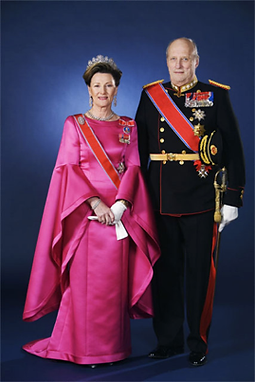
Norway is a monarchy and a democracy. The King and Queen are called Harald and Sonja. The Democracy Index developed by the Economist Intelligence Unit in 2013, classified Norway as the most democratic country in the world.
Norway has a rich history, which has been influenced by the climate and nature of the region. According to the book, ‘Norway’s History – Year by Year’, about 10,000 BC, the earliest inhabitants migrated North into the territory which is now Norway. They lived off hunting and fishing. From the last decades of the 8th century, the Norwegians started expanding across the seas, with the Vikings in the lead. This original Viking ship is actually still in a museum on Oslo.
During World War II, Norway was occupied by Germany. When the war ended, Norway joined NATO. In 1969, oil was discovered, which resulted in a large increase of wealth. Norwegians actually call oil ‘the black gold’, because it’s the main reason why it’s such a rich country.
Norway is a strong welfare state, meaning that for example education and health care are funded through general tax revenues. According to OECD’s Better Life Index from 2013, Norway is the world’s best country to live in, mainly because of these benefits.
Although the taxes in Norway are very high, social benefits are universal, meaning that everyone is entitled to receive them. Public benefits, such as education, hospitalization and health care, are offered to all, and they are completely free of charge.
Norway is called a welfare state because the government, both federal and local, has the primary responsibility for the welfare of its citizens. For example, citizens get financial assistance during unemployment or absence due illness.